
Across the country, the USDA’s Local Food Purchase Assistance (LFPA) program proved what’s possible when we invest in local farmers and community-based food systems. From rural Appalachia to urban Texas to the Northern Plains, LFPA supported farm to food assistance programs that strengthened local economies, expanded markets for small producers, and delivered fresh, culturally meaningful food to families who need it most. Farm to food assistance programs directly purchase food from local farmers and producers and distribute it through food assistance channels such as food banks and community organizations so farmers gain reliable markets while families access fresh, nutritious food.
In partnership with the Groundwork Center for Resilient Communities, National Sustainable Agriculture Coalition, and Food Systems Leadership Network (FSLN), the Wallace Center has produced three stories to show the personal and community impact farm to food assistance programs made possible and the potential if they receive further support. See below for stories of Farm to Food Assistance impact from North Carolina, Texas, and South Dakota.
We know there are many more of these stories out there in communities that have stepped up to create markets for farmers and support community members. To help capture these stories and innovative programs while they’re fresh, the Groundwork Center for Resilient Communities created a Farm to Food Assistance Storytelling guide. Their experienced authors and storytellers condensed decades of wisdom into this 9-step guide for busy practitioners. The guide walks you through every step of the process from articulating the ‘mission statement’ of your story through interviewing subjects and graphic design.
Check out the Farm to Food Assistance Storytelling Guide here.
How to get involved:
- Join the monthly FSLN Farm to Food Assistance Community of Practice, which will have regular check ins on storytelling efforts. Register for the calls here.
- Stay tuned to developments around future farm to food assistance funding and how you can get involved through the National Sustainable Agriculture Coalition here.
Stories of Impact:
Western North Carolina: Growing Markets, Growing Dignity
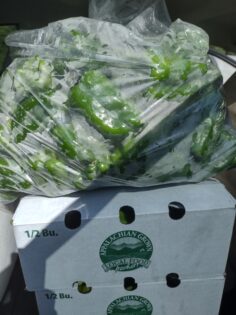
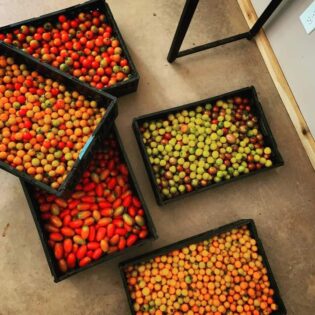
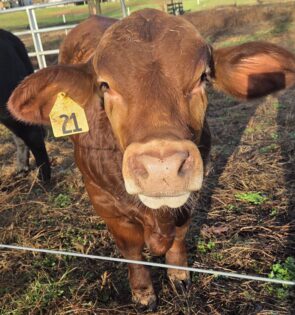
At WNC From the Ground Up, LFPA funding connected more than 40 small farmers to reliable markets while expanding access to fresh food across rural Western North Carolina. The food hub scaled from 1,700 to 18,000 square feet, created new jobs, and generated over $212,000 in local food sales.
Beyond the numbers, the impact was deeply human: food pantries were able to offer the same high-quality produce found in grocery stores, restoring dignity and choice to families facing food insecurity. LFPA demonstrated that supporting small farmers and feeding communities are not separate goals, they are mutually reinforcing.
“Small farmers are not experiments, and neither are hungry people, and these experimental funds have proven that permanent support will allow our local economy to grow while feeding people in need at the same time.”
-Lisa Kelly, Founder and Executive Director of WNC From the Ground Up
Read how local investment strengthened a rural food economy and delivered for farmers and families.
Texas: Reliable Contracts, Stronger Farms, Healthier Communities
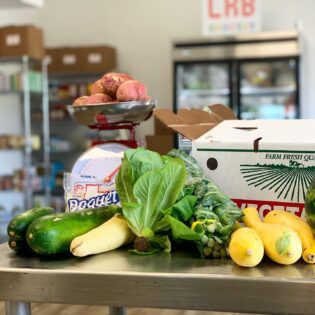
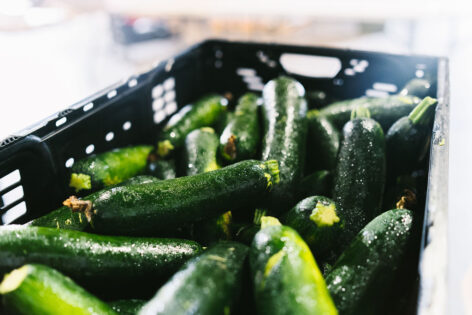
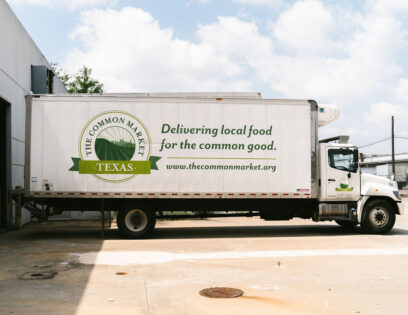
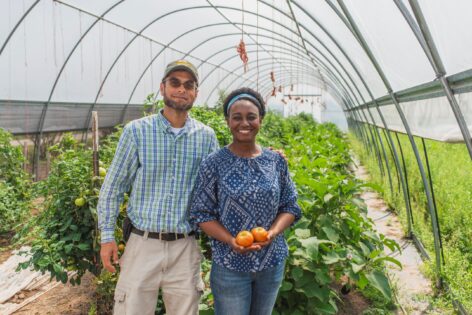
At the Texas division of The Common Market Texas, LFPA enabled more than $9.7 million in local food purchases and helped distribute over 4 million pounds of fresh, Texas-grown food to more than 116 community sites.
Through guaranteed future purchase orders, small and mid-sized farmers gained the stability to expand operations, secure loans, invest in infrastructure, and obtain food safety certifications that opened doors to major retail markets. At the same time, families received beautifully packed “Farm-Fresh Boxes” filled with nutritious, high-quality food.
This wasn’t a handout. It was a strategic investment in American agriculture that delivered measurable returns.
“These are not handouts. This is not a free ride. This is an investment in our local farms, an investment in small American farms.”
-Jeremy Logan, Executive Director, The Common Market Texas
Explore how public investment strengthened both farms and food access across Texas.
South Dakota: Feeding People, Reviving Culture
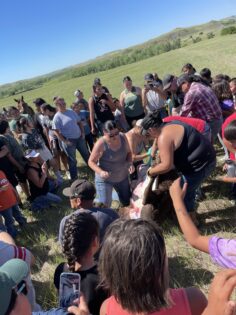
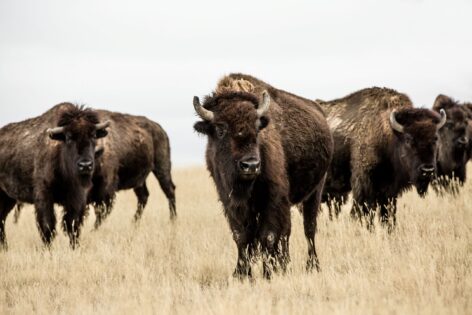
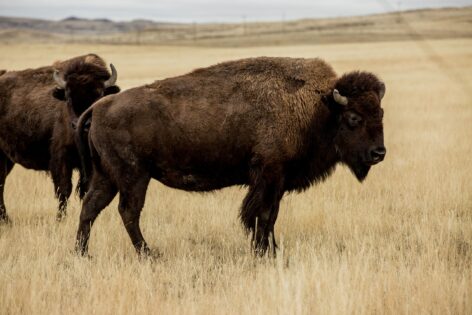
On the Cheyenne River Sioux Reservation, LFPA supported the Cheyenne River Buffalo Company in distributing locally raised buffalo meat to families across 25 underserved communities. The program generated $3 million in local food sales, created jobs, and expanded food access in one of the most remote regions in the country.
But the impact went beyond economics. By bringing buffalo back to tribal tables, the program helped restore cultural connections, strengthen food sovereignty, and build pride within the community. Local procurement became a pathway not only to nutrition, but to healing and self-determination.
“All of the benefits of the local food purchasing program—the jobs, the business development, the nutritional value, the cultural connections, the spiritual lift—all tie to building food sovereignty. To me, that’s what it’s all about, us being able to raise the raw products and harvest them and give it back to our people.”
-Jayme Murray, tribal member, sixth-generation cattle rancher, and CEO of Cheyenne River Buffalo Company
Discover how investing in local food helped feed communities and revive cultural traditions.
A Proven Model Worth Sustaining
Together, these stories demonstrate that farm to food assistance programs work. They are building reliable markets for farmers. They expanded infrastructure and created jobs. They improved access to fresh, healthy, culturally relevant food.
When we invest in local and values-based procurement, we strengthen farms, families, and communities at the same time.